
Paracord 550, also known as parachute cord, 550 cord, or simply paracord, is one of the most versatile types of cord for outdoor activities, camping, bushcraft, emergency repairs and creative projects. Thanks to its low weight, compact size and strength, it has become a popular part of the gear carried by adventurers, campers, scouts and anyone who wants to keep a practical length of cord close at hand.
In this article, you will find 15 practical examples of how Paracord 550 can be used outdoors or in an emergency. Some tips are suitable for everyday outdoor use, while others are intended more for extreme situations where you have to work with whatever you happen to have with you.
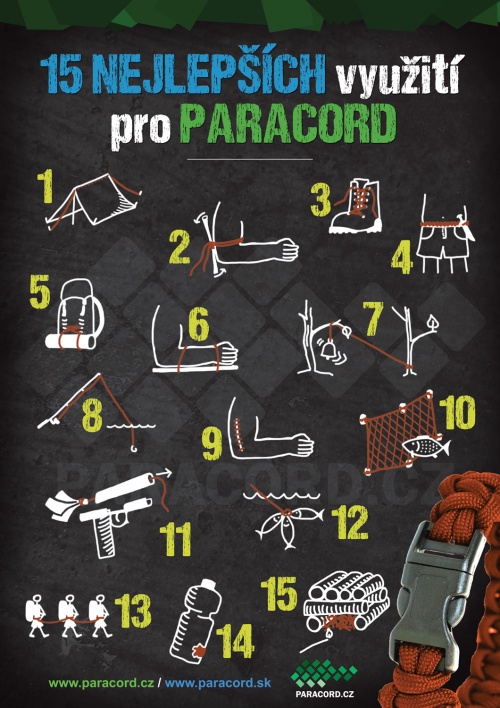
You can also find a quick overview of all 15 uses in the infographic:
Why is Paracord 550 so popular?
Genuine Paracord 550 Type III is an approximately 4 mm thick nylon cord with a braided sheath and inner strands. The 550 designation refers to a minimum tensile strength of 550 pounds, approximately 250 kg. This makes paracord strong, compact and highly versatile.
When using paracord outdoors, it is important to choose a quality product. Cheap imitations may look similar but may not have the same construction, strength or durability. This may not be a major issue for craft projects, but quality cord is definitely worthwhile for outdoor use.
One of the most popular ways to keep paracord with you at all times is a survival bracelet. A standard paracord bracelet can contain several metres of cord that can be unravelled and used when needed.
15 ways to use paracord in emergencies and outdoors
1. Building a simple shelter
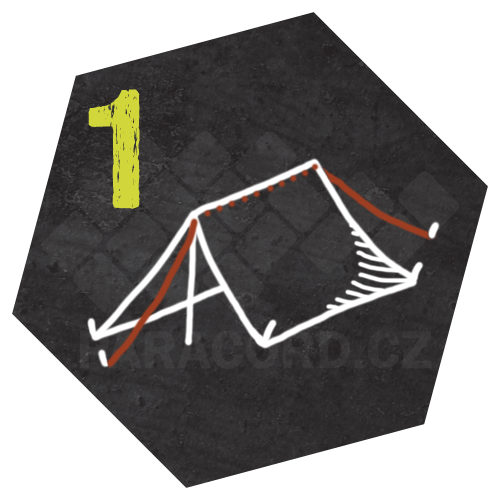 One of the most practical outdoor uses for paracord is building a simple shelter. You can tension paracord between two trees and drape a tarp, poncho or other sheet over it. The corners can then be secured to pegs, rocks, branches or other trees.
2. Emergency securing during first aid
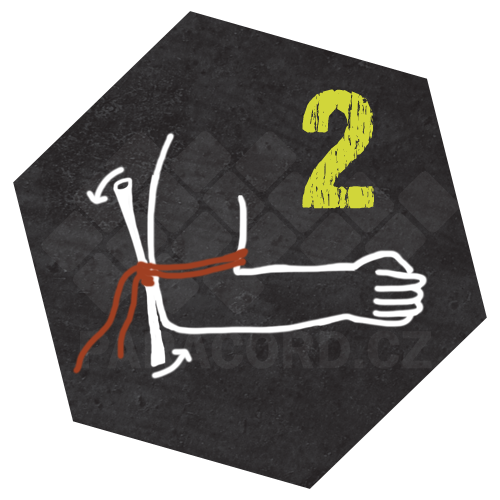 In an extreme emergency, paracord can be used to temporarily secure a bandage, hold an improvised splint in place or fasten equipment during transport. It can help when you need to quickly tighten, tie or secure something until professional help arrives.
3. Replacement shoelace
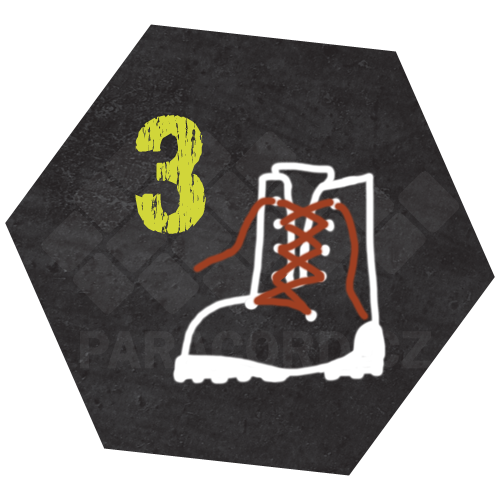 A broken shoelace can make travelling outdoors surprisingly difficult. A piece of paracord can be used as a temporary replacement. Simply cut the required length and carefully melt and seal the ends to prevent fraying.
4. Improvised belt
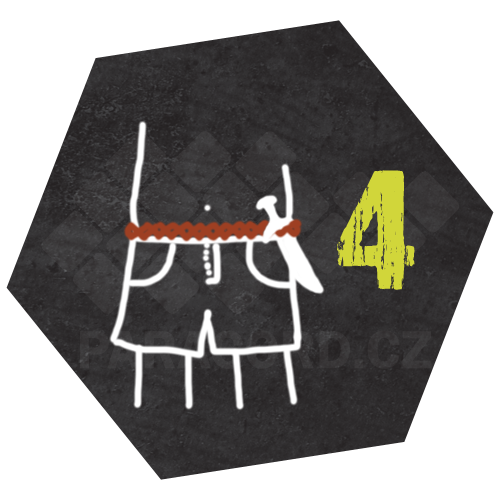 A longer piece of paracord can serve as an emergency belt, help secure equipment or hold clothing in place. It may not be an elegant solution, but outdoors, functionality is often what matters most.
5. Attaching gear to a backpack
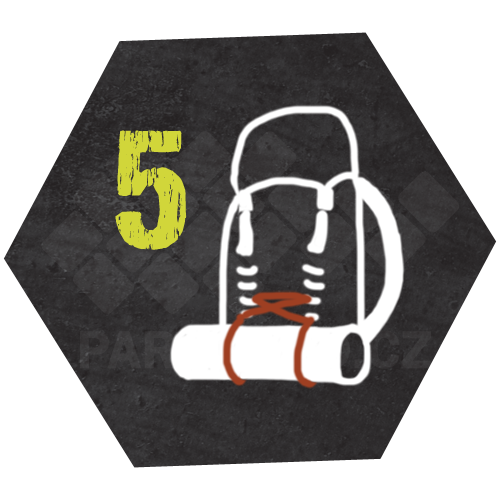 Paracord is useful for attaching a bottle, sleeping mat, jacket, tarp or other equipment to a backpack. It allows you to make use of the outside of your pack and keep certain items within easy reach.
6. Securing an improvised splint
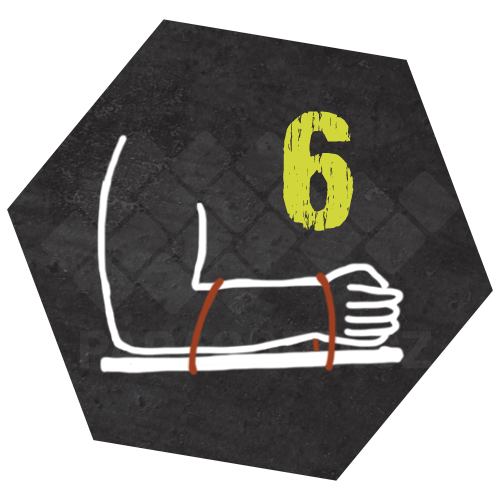 If a limb is injured, paracord can be used to carefully secure an improvised splint made from branches, boards or other rigid material. In the field, it may help hold a temporary solution in place until better equipment or professional help is available.
7. Signal cord or camp alarm
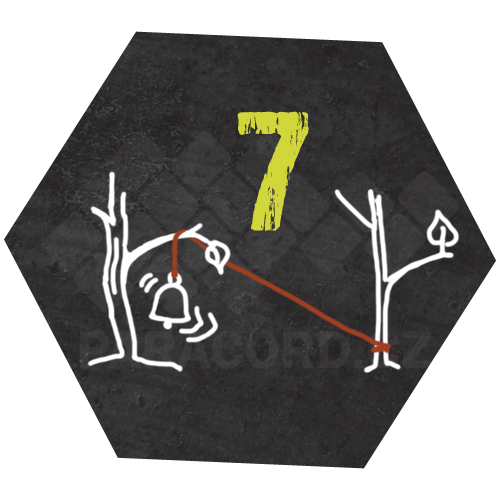 The inner strands of paracord can be removed and used as thinner cords. They can serve as a simple signal line around a campsite or be used to hang a lightweight item, bell or another form of signalling device.
8. Emergency fishing line
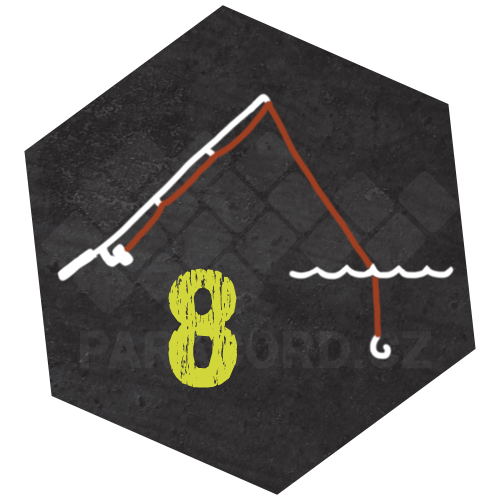 In an extreme situation, the inner strands of paracord can be used as improvised fishing line. A small piece of paracord, including its inner fibres, can also serve as a very basic substitute for a fly. Use naturally depends on local regulations and the specific situation.
9. Emergency gear repairs
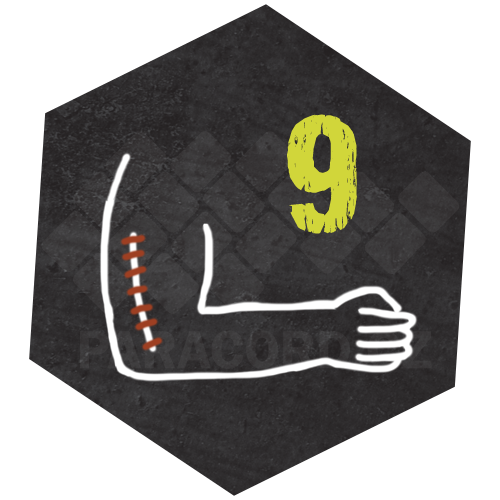 In a genuine extreme emergency, the inner fibres are sometimes mentioned as a possible material for emergency stitching. In normal circumstances, however, medical procedures should be left to healthcare professionals. A much more practical use is repairing a torn backpack, strap, cover or another piece of equipment with the inner paracord strands.
10. Small net or weave
 The inner strands of paracord can be used to create a simple weave, suspension system or small net for lightweight items. This takes more material than you might expect, so a longer length of paracord is more suitable than a bracelet alone.
11. Cleaning or pulling through narrow spaces
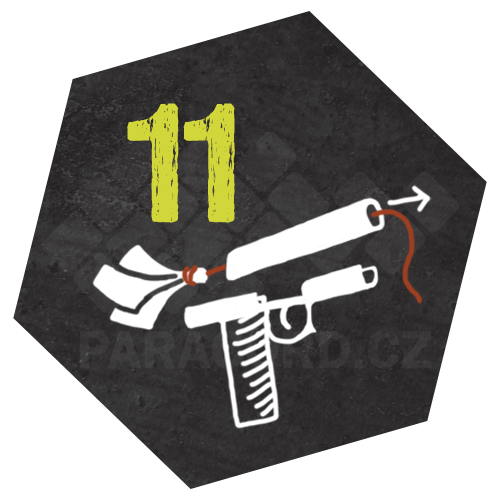 Paracord can be used to pull through a hose, pipe, opening or part of a piece of equipment. A small piece of cloth can be tied to the end and carefully pulled through a narrow space.
12. Hanging or securing a catch
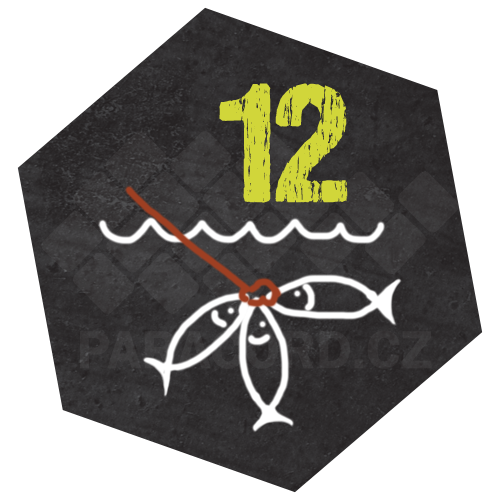 Paracord can be used to hang lighter equipment or a container, and in some countries it can also be used as a so-called fish stringer for keeping fish in the water. Always consider local regulations, the environment and the specific situation.
13. Keeping a group together in poor visibility
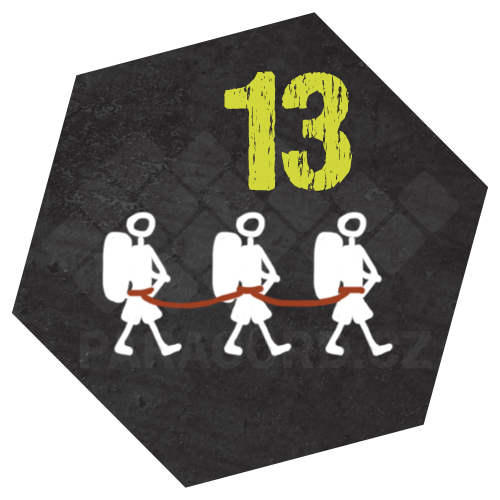 In darkness, fog, heavy snowfall or when moving with children, a longer cord can help keep a group together. Everyone stays in contact with the same line, making it easier for the group leader to keep track of where everyone is.
14. Emergency sealing or minor repair
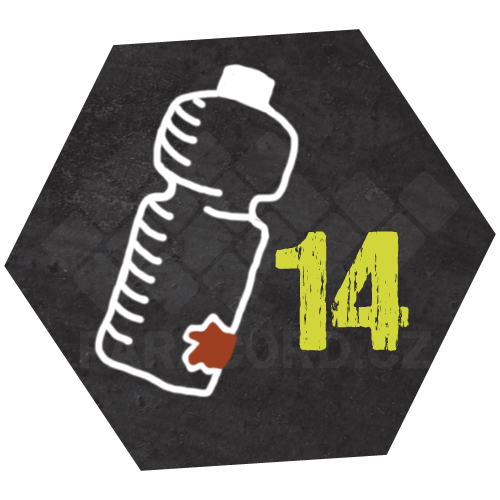 Paracord melts when heated and hardens again as it cools. In an extreme situation, a small melted piece can be used as an improvised filler, to seal a small hole or to assist with a minor repair.
15. Emergency fire-starting material
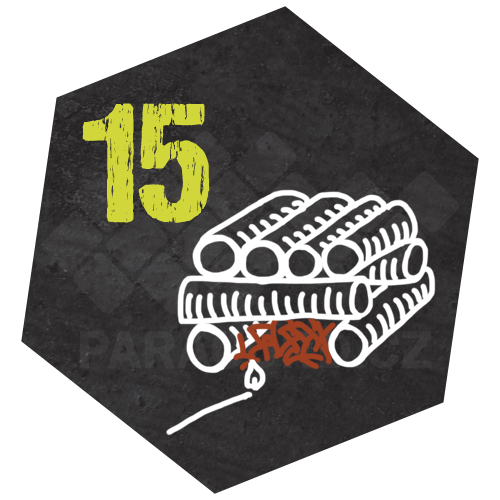 In an extreme situation, disassembled paracord can be frayed and used as supplementary fire-starting material. Fine fibres catch more easily than the complete cord. However, because paracord is so useful outdoors, it is usually better to save it for repairs or tying whenever possible.
Which paracord is suitable for outdoor use?
For most practical outdoor uses, the most versatile option is Paracord 550 Type III. It is strong enough for general use, easy to tie, contains inner strands and is suitable both as a standalone cord and for making bracelets, keychains, belts and other accessories.
If you want to keep paracord with you at all times, you can choose a survival bracelet, survival keychain or survival belt. For carrying a larger supply in your backpack, 10m bundles of paracord are practical. They take up little space while providing more material than a standard bracelet.
You can open the complete “15 ways to use paracord in an emergency” infographic in full size and save it for later use.
There are of course many other ways to use paracord. If you have your own practical tip that has worked well for you outdoors, you can email us at paracord@paracord.cz.
The PARACORD.CZ team, Lenka