
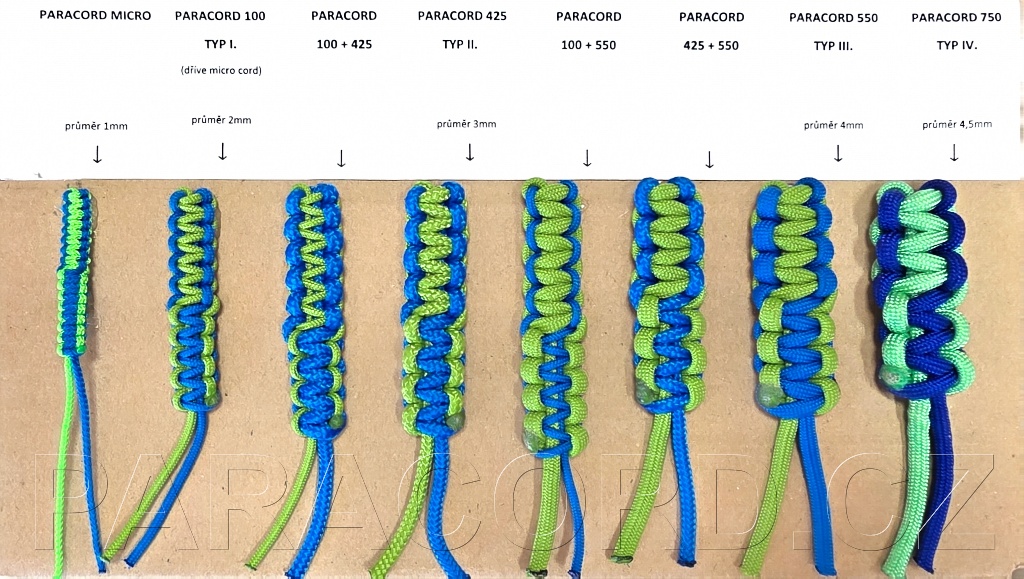
Which type of paracord should you choose? This article provides an overview of the differences between Paracord Micro, Paracord 100, 425, 550, 750, Paracord Max and specialist cords such as Glow cord and Flame cord. We compare the diameter, tensile strength and practical applications of each type.
The most versatile choice for most customers remains Paracord 550 Type III. It is suitable for bracelets, keychains, collars, leashes, braided wraps, outdoor use and general craft projects. The other types are most useful when you need finer work, a larger diameter, higher tensile strength or a special feature.
Video: which paracord should you choose?
To quickly learn about the differences between the various types of paracord and see them in practice, watch our video. We explain how the different types of paracord compare and when to choose standard Paracord 550, a thinner version or a thicker cord.
Quick overview of paracord types
| Cord type | Tensile strength | Main specifications | Where to buy |
|---|---|---|---|
| Paracord Micro 1,4 mm | approx. 29 kg | extra-thin paracord for fine details, weaving, decoration and combining with thicker cords | Paracord Micro |
| Paracord 100 Type I | up to 100 kg | approx. 2 mm, thin cord for finer bracelets, keychains and details | Paracord 100 |
| Paracord 425 Type II | approx. 181 kg | approx. 3 mm, an intermediate size between Paracord 100 and 550 | Paracord 425 |
| Paracord 550 Type III | approx. 250 kg | approx. 4 mm, 7 core strands, the most versatile classic | Paracord 550 |
| Glow cord | depends on the specific version | glow-in-the-dark cord that shines after exposure to light | Glow cord |
| Flame cord | min. 150 kg | approx. 4 mm, special flammable core for emergency fire starting | Flame cord |
| Paracord 750 Type IV | up to 340 kg | approx. 4,5 to 5 mm, thicker version for more heavy-duty applications | Paracord 750 |
| Paracord Max Type V | approx. 320 kg for the 6mm version | 6 mm, or 10 mm Max Ultra, thick cord for heavy-duty projects | Paracord Max |
Note: Tensile strength is a technical specification of the cord. It does not mean that the cord is suitable for belaying people, climbing, abseiling or working at height. Always use certified ropes and equipment for these purposes.
Which type of paracord should you choose for each application?
- First bracelet, general crafts, leashes and collars: Paracord 550.
- Fine details, decoration and finishing larger projects: Paracord Micro.
- Fine bracelets and small keychains: Paracord 100.
- Something between a fine and standard cord: Paracord 425.
- Heavy-duty outdoor use: Paracord 750.
- Thicker leashes, collars, straps and statement projects: Paracord Max.
- Night-time marking and eye-catching accessories: Glow cord.
- Survival accessory with tinder for starting a fire: Flame cord.
Paracord Micro 1,4 mm
Paracord Micro 1,4 mm is the thinnest paracord in this overview. It has a diameter of approximately 1,4 mm and a tensile strength of approximately 29 kg. It is primarily suitable for fine details, decoration, weaving, wraps, stitching larger projects and combining with thicker cords.
It is not a replacement for standard Paracord 550 for ordinary bracelets or leashes. It is a supplementary material for projects where you need a genuinely thin paracord cord and want to work with smaller knots or finer details.
Paracord Micro works well for keychains, decorative details on bracelets, small wraps, colour-coding equipment or combining with Paracord 550.

Paracord 100 Type I
Paracord 100 is a thin type of paracord with a diameter of approximately 2 mm and a tensile strength of up to 100 kg. It is suitable for finer bracelets, keychains, decorations, smaller knots and applications where Paracord 550 would be unnecessarily bulky.
For a complete beginner's first bracelet, however, we usually recommend Paracord 550 instead. Working with Paracord 100 is finer and slower, and the pattern does not build up as quickly.

Paracord 425 Type II
Paracord 425 is an intermediate size between Paracord 100 and Paracord 550. It has a diameter of approximately 3 mm and a tensile strength of approximately 181 kg. It is suitable for applications where standard Paracord 550 is too thick, but Paracord 100 is already too fine.
It works well for creative projects, finer functional items, DIY projects or as a multipurpose household cord. It is used for bracelets less often than Paracord 550, but it can look very good in certain patterns.

Paracord 550 Type III
Paracord 550 is the best-known and most widely used type of paracord. It has a diameter of approximately 4 mm, 7 inner core strands and a tensile strength of approximately 250 kg.
It is our main recommendation for most customers. It is suitable for survival bracelets, keychains, wraps, leashes, collars, decorations, camping, outdoor use, repairs and general tying. It is available in the widest range of colours and is easy to work with.
When you are unsure where to begin, start here. Paracord 550 is the most versatile choice.

Glow cord
Glow cord is a special glow-in-the-dark cord. After exposure to daylight or UV light, it glows in the dark, making it suitable for marking equipment, zip pulls, tent accessories, outdoor products or bracelets that you want to find quickly in the dark.
It is not a torch or a lamp, but it works very well as a guide marker or decorative feature.

Flame cord
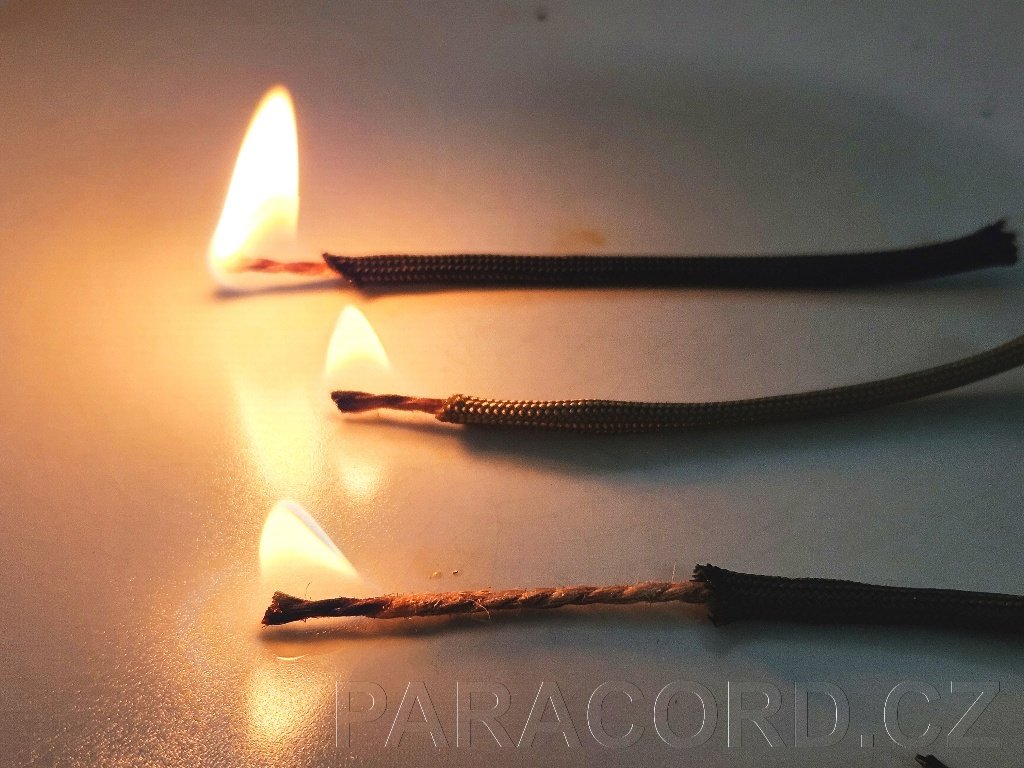
Flame cord is a special cord similar to Paracord 550, but instead of standard inner core strands, it contains a flammable core. This acts as tinder for emergency fire starting.
It is primarily suitable for survival gear, outdoor accessories or as an interesting material for bracelets and keychains. For general craft projects, however, you do not need to start with this type.
Paracord 750 Type IV
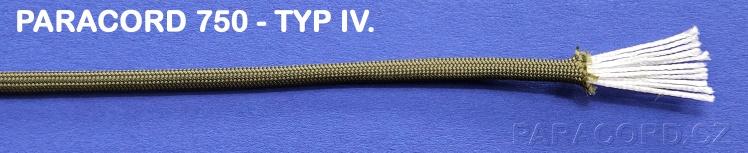
Paracord 750 is a thicker type of paracord with a tensile strength of up to 340 kg. It has a larger diameter than Paracord 550 and is suitable for more heavy-duty outdoor applications, knot tying, anchoring, securing tarps, repairs in the outdoors or larger items.
We generally do not recommend it as a first choice for standard bracelets. It is stiffer, bulkier and can be harder to tighten while braiding. However, it is a useful option when you need a larger diameter and higher tensile strength.
Paracord Max Type V
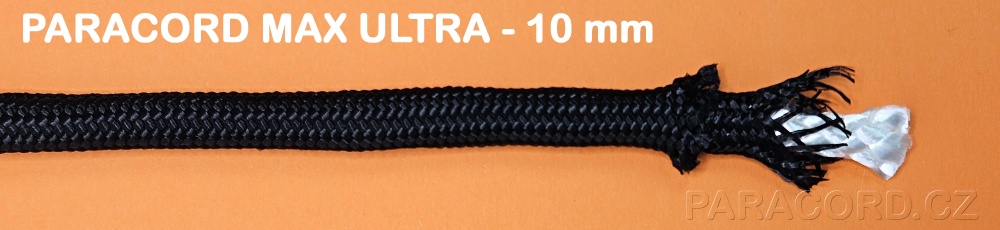
Paracord Max Type V is a thick cord for more heavy-duty projects. At present, this category mainly includes the 6mm version and the even thicker Paracord Max Ultra 10 mm.
Paracord Max 6 mm has a larger diameter than standard Paracord 550 and a tensile strength of approximately 320 kg. It is suitable for leashes, collars, straps, bold wraps, survival accessories and outdoor equipment. It is not a material for fine bracelets, but for projects where you want a thicker, more distinctive cord.

Paracord Max Ultra 10 mm is an even bulkier version for truly bold and heavy-duty products. It is suitable for projects where a large diameter, distinctive appearance and a comfortable grip on the finished item are important.
The older designation Paracord 1250 Type V may appear in various texts or international sources, but our current online shop structure primarily uses the Paracord Max Type V category.
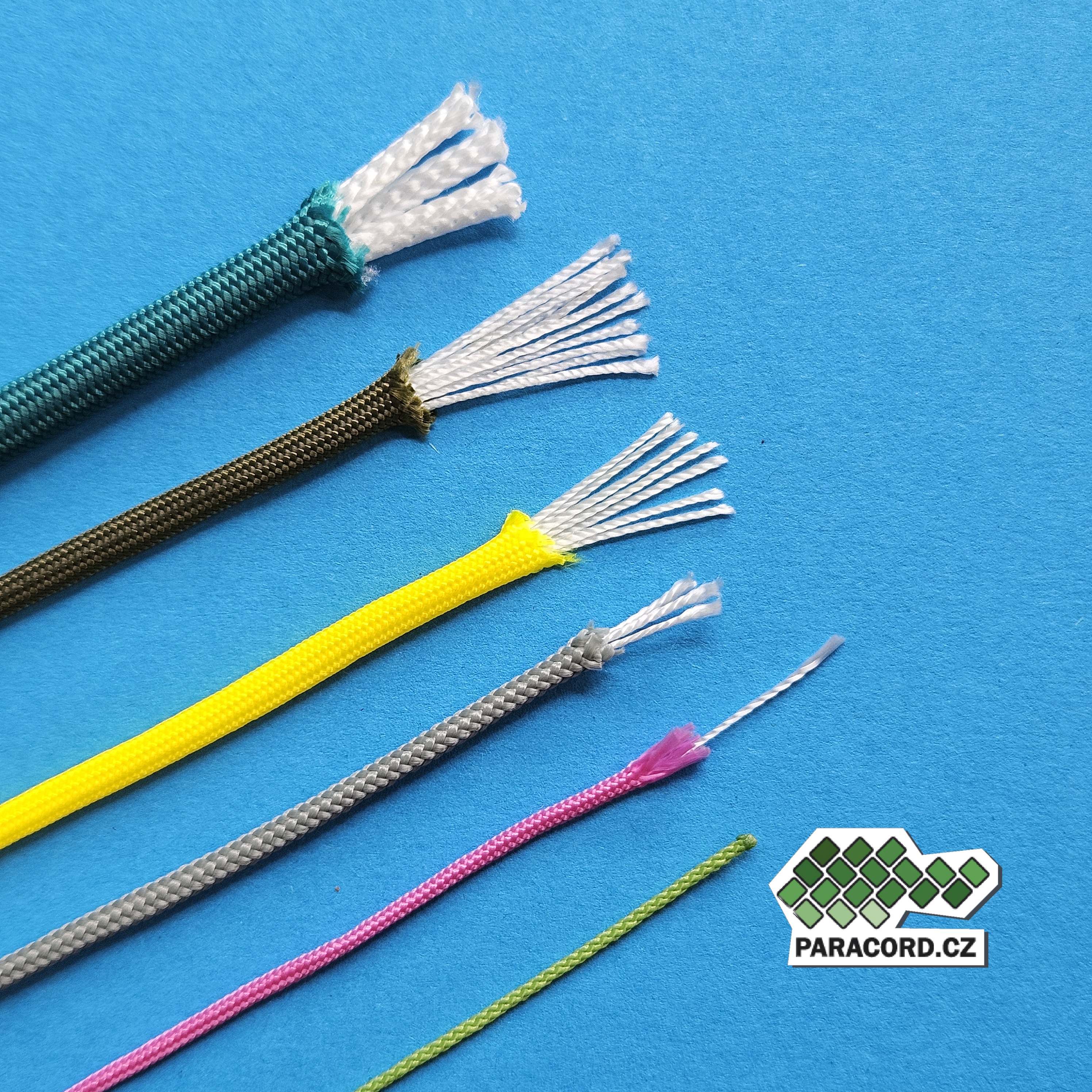
Tensile strength is not the same as safe working load
We list the tensile strength for each type. This is the value at which the cord breaks under laboratory conditions. In practice, however, you must account for a safety margin, knots, wear, abrasion, moisture, sharp edges and the way the load is applied.
Paracord is not a climbing rope and must not be used for belaying people, abseiling, working at height or situations involving a risk of falling. For a more detailed explanation of tensile strength, safe working load and elongation, read our article Load capacity, elongation and tensile strength: understanding rope and paracord specifications.
Summary
For a versatile cord suitable for crafts, outdoor activities and general use, choose Paracord 550. For fine details or decoration, choose Paracord Micro. For finer bracelets and small keychains, consider Paracord 100 or Paracord 425. For a more heavy-duty cord, consider Paracord 750 or Paracord Max.
Specialist versions such as Glow cord and Flame cord are useful when you need their specific features, namely glowing in the dark or a flammable core for survival use.
Contact details and more information